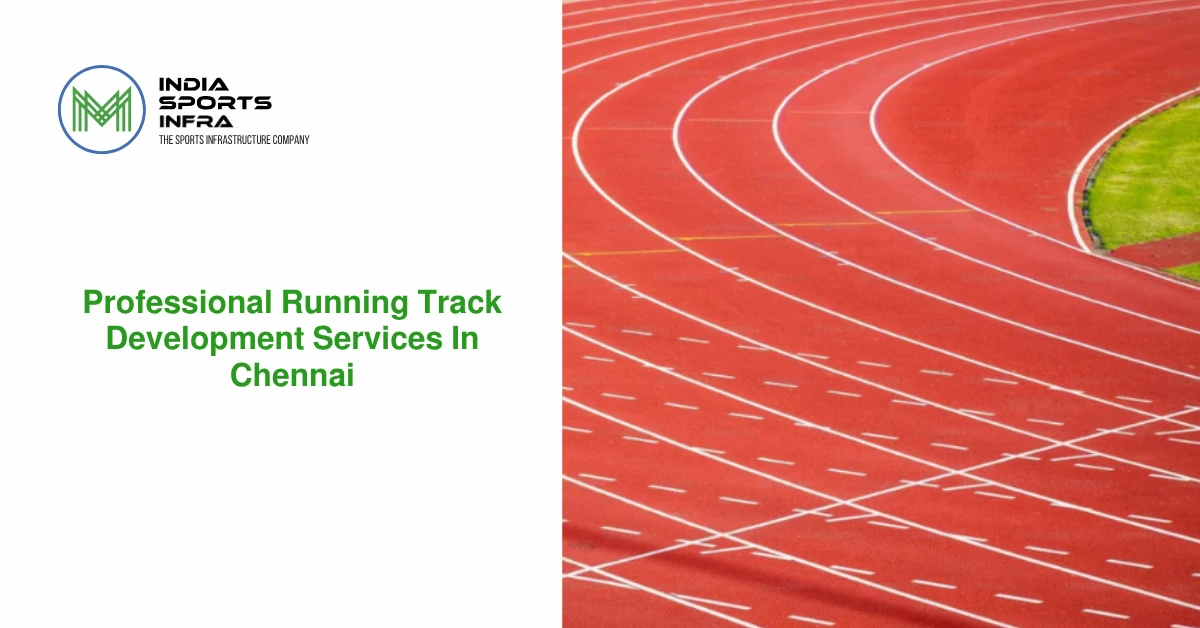
𝗣𝗿𝗼𝗳𝗲𝘀𝘀𝗶𝗼𝗻𝗮𝗹 𝗥𝘂𝗻𝗻𝗶𝗻𝗴 𝗧𝗿𝗮𝗰𝗸 𝗗𝗲𝘃𝗲𝗹𝗼𝗽𝗺𝗲𝗻𝘁 𝗦𝗲𝗿𝘃𝗶𝗰𝗲𝘀 𝗜𝗻 𝗖𝗵𝗲𝗻𝗻𝗮𝗶
TABLE OF CONTENTS
1. Introduction
2. Why Professional Running Track Construction Matters
3. Types Of Running Track Projects
4. Running Track Construction Process
5. Choosing The Right Track Surface
6. What Makes A Running Track Suitable For Regular Use
7. Factors Affecting Running Track Construction Cost
8. How To Choose Running Track Builders
9. Conclusion
10. FAQs
𝗣𝗿𝗼𝗳𝗲𝘀𝘀𝗶𝗼𝗻𝗮𝗹 𝗥𝘂𝗻𝗻𝗶𝗻𝗴 𝗧𝗿𝗮𝗰𝗸 𝗗𝗲𝘃𝗲𝗹𝗼𝗽𝗺𝗲𝗻𝘁 𝗦𝗲𝗿𝘃𝗶𝗰𝗲𝘀 𝗜𝗻 𝗖𝗵𝗲𝗻𝗻𝗮𝗶
𝗜𝗻𝘁𝗿𝗼𝗱𝘂𝗰𝘁𝗶𝗼𝗻
A running track needs to provide more than a clearly marked surface for athletes. Its design, base preparation, drainage, surface system, lane markings, and finishing quality all influence how the track performs during regular use.
Choosing an experienced running track construction company in Chennai can help property owners, schools, sports academies, stadiums, and institutions develop a track according to their space and intended usage.
From school athletics facilities to professional training environments, the right construction approach can create a durable and practical running surface that supports regular training and sporting activities.
𝗪𝗵𝘆 𝗣𝗿𝗼𝗳𝗲𝘀𝘀𝗶𝗼𝗻𝗮𝗹 𝗥𝘂𝗻𝗻𝗶𝗻𝗴 𝗧𝗿𝗮𝗰𝗸 𝗖𝗼𝗻𝘀𝘁𝗿𝘂𝗰𝘁𝗶𝗼𝗻 𝗠𝗮𝘁𝘁𝗲𝗿𝘀
Running tracks experience repeated impact from athletes, changing weather conditions, and continuous foot traffic. Poor surface preparation or unsuitable materials can affect comfort, durability, drainage, and overall track performance.
Professional planning considers the complete track system rather than focusing only on the visible top surface.
Important factors include:
* Site assessment
* Ground preparation
* Base construction
* Surface selection
* Drainage planning
* Track dimensions
* Lane markings
* Edge finishing
* Maintenance requirements
* Expected usage
A properly planned track can provide a more consistent running experience while supporting long-term usability.
𝗧𝘆𝗽𝗲𝘀 𝗢𝗳 𝗥𝘂𝗻𝗻𝗶𝗻𝗴 𝗧𝗿𝗮𝗰𝗸 𝗣𝗿𝗼𝗷𝗲𝗰𝘁𝘀
Running track requirements vary according to the location, available land, number of users, and intended purpose.
𝗦𝗰𝗵𝗼𝗼𝗹 𝗥𝘂𝗻𝗻𝗶𝗻𝗴 𝗧𝗿𝗮𝗰𝗸𝘀
Schools may require athletic tracks for physical education, sports days, student training, and inter-school competitions. The layout should make effective use of the available outdoor space while providing a suitable running surface.
𝗔𝘁𝗵𝗹𝗲𝘁𝗶𝗰 𝗧𝗿𝗮𝗶𝗻𝗶𝗻𝗴 𝗧𝗿𝗮𝗰𝗸𝘀
Sports academies and training centres may need tracks designed for regular athlete practice. Surface performance, durability, drainage, and maintenance become important considerations for these facilities.
𝗦𝘁𝗮𝗱𝗶𝘂𝗺 𝗥𝘂𝗻𝗻𝗶𝗻𝗴 𝗧𝗿𝗮𝗰𝗸𝘀
Stadium projects generally require a more comprehensive approach because the track needs to work alongside other sports infrastructure. Accurate dimensions, lane markings, drainage, and surface installation should be carefully coordinated.
𝗖𝗼𝗺𝗺𝘂𝗻𝗶𝘁𝘆 𝗔𝗻𝗱 𝗥𝗲𝗰𝗿𝗲𝗮𝘁𝗶𝗼𝗻𝗮𝗹 𝗧𝗿𝗮𝗰𝗸𝘀
Residential communities, institutions, resorts, and recreational facilities can also develop running tracks for fitness and everyday outdoor activity.
𝗥𝘂𝗻𝗻𝗶𝗻𝗴 𝗧𝗿𝗮𝗰𝗸 𝗖𝗼𝗻𝘀𝘁𝗿𝘂𝗰𝘁𝗶𝗼𝗻 𝗣𝗿𝗼𝗰𝗲𝘀𝘀
A professional running track project should follow a systematic process from site assessment to final surface installation.
𝗦𝗶𝘁𝗲 𝗔𝘀𝘀𝗲𝘀𝘀𝗺𝗲𝗻𝘁
The available land is inspected to understand ground conditions, dimensions, slope, drainage requirements, access, and surrounding infrastructure.
𝗚𝗿𝗼𝘂𝗻𝗱 𝗣𝗿𝗲𝗽𝗮𝗿𝗮𝘁𝗶𝗼𝗻
The existing surface is prepared according to the project requirements. Proper preparation creates a stable foundation for the layers that follow.
𝗕𝗮𝘀𝗲 𝗗𝗲𝘃𝗲𝗹𝗼𝗽𝗺𝗲𝗻𝘁
The base layer provides structural support to the track surface. Its preparation needs to consider stability, drainage, and the expected level of usage.
𝗦𝘂𝗿𝗳𝗮𝗰𝗲 𝗜𝗻𝘀𝘁𝗮𝗹𝗹𝗮𝘁𝗶𝗼𝗻
The selected synthetic or suitable track surface is installed according to the project specification. Surface selection should match the intended use and performance requirements.
𝗟𝗮𝗻𝗲 𝗠𝗮𝗿𝗸𝗶𝗻𝗴
After the surface work is completed, running lanes and relevant markings are laid out accurately.
𝗙𝗶𝗻𝗮𝗹 𝗜𝗻𝘀𝗽𝗲𝗰𝘁𝗶𝗼𝗻
𝗖𝗵𝗼𝗼𝘀𝗶𝗻𝗴 𝗧𝗵𝗲 𝗥𝗶𝗴𝗵𝘁 𝗧𝗿𝗮𝗰𝗸 𝗦𝘂𝗿𝗳𝗮𝗰𝗲
The surface plays a major role in the performance and maintenance requirements of a running track.
Synthetic track systems are commonly considered for facilities where consistent surface characteristics and regular athletic use are important. The appropriate system depends on factors such as project purpose, expected traffic, weather conditions, available budget, and maintenance requirements.
Before selecting a surface, property owners should evaluate:
* Shock absorption requirements
* Surface durability
* Traction
* Weather exposure
* Drainage
* Maintenance needs
* Expected usage
* Installation requirements
The surface should be selected as part of the complete track system rather than treated as an isolated material choice.
𝗪𝗵𝗮𝘁 𝗠𝗮𝗸𝗲𝘀 𝗔 𝗥𝘂𝗻𝗻𝗶𝗻𝗴 𝗧𝗿𝗮𝗰𝗸 𝗦𝘂𝗶𝘁𝗮𝗯𝗹𝗲 𝗙𝗼𝗿 𝗥𝗲𝗴𝘂𝗹𝗮𝗿 𝗨𝘀𝗲
A running track should be planned to handle repeated activity while maintaining a practical and consistent surface.
𝗘𝗳𝗳𝗲𝗰𝘁𝗶𝘃𝗲 𝗗𝗿𝗮𝗶𝗻𝗮𝗴𝗲
Rainwater should be managed effectively so that water does not remain on the running surface for extended periods. Drainage planning should be considered during the early stages of construction.
𝗖𝗼𝗻𝘀𝗶𝘀𝘁𝗲𝗻𝘁 𝗦𝘂𝗿𝗳𝗮𝗰𝗲
An even and properly installed surface helps create a smoother running experience and supports regular athletic activity.
𝗔𝗰𝗰𝘂𝗿𝗮𝘁𝗲 𝗟𝗮𝗻𝗲 𝗠𝗮𝗿𝗸𝗶𝗻𝗴𝘀
Clear and correctly positioned lane markings are essential for organised running and competitive use.
𝗗𝘂𝗿𝗮𝗯𝗹𝗲 𝗖𝗼𝗻𝘀𝘁𝗿𝘂𝗰𝘁𝗶𝗼𝗻
The track should be designed to withstand repeated use and local environmental conditions.
𝗘𝗮𝘀𝘆 𝗠𝗮𝗶𝗻𝘁𝗲𝗻𝗮𝗻𝗰𝗲
Selecting suitable materials and construction methods can make routine cleaning, inspection, and maintenance more manageable.
𝗙𝗮𝗰𝘁𝗼𝗿𝘀 𝗔𝗳𝗳𝗲𝗰𝘁𝗶𝗻𝗴 𝗥𝘂𝗻𝗻𝗶𝗻𝗴 𝗧𝗿𝗮𝗰𝗸 𝗖𝗼𝗻𝘀𝘁𝗿𝘂𝗰𝘁𝗶𝗼𝗻 𝗖𝗼𝘀𝘁
Running track construction cost can vary significantly from one project to another. A simple per-square-foot estimate may not reflect the complete project because several construction components influence the final budget.
Important cost factors include:
* Total track area
* Track dimensions
* Existing ground condition
* Excavation requirements
* Base preparation
* Drainage work
* Surface system
* Lane markings
* Site accessibility
* Material specifications
* Labour and installation
* Additional civil works
* Maintenance requirements
For an accurate estimate, the site should be evaluated before preparing the quotation. A detailed project proposal can provide a clearer understanding of the materials, construction stages, installation work, and other costs involved.
𝗛𝗼𝘄 𝗧𝗼 𝗖𝗵𝗼𝗼𝘀𝗲 𝗥𝘂𝗻𝗻𝗶𝗻𝗴 𝗧𝗿𝗮𝗰𝗸 𝗕𝘂𝗶𝗹𝗱𝗲𝗿𝘀
Selecting the right running track builders is an important part of the project. Before making a decision, consider the company’s experience, technical approach, materials, installation process, and project support.
𝗖𝗵𝗲𝗰𝗸 𝗥𝗲𝗹𝗲𝘃𝗮𝗻𝘁 𝗘𝘅𝗽𝗲𝗿𝗶𝗲𝗻𝗰𝗲
Look for experience related to sports flooring, athletic surfaces, outdoor sports infrastructure, and track installation.
𝗥𝗲𝘃𝗶𝗲𝘄 𝗣𝗿𝗲𝘃𝗶𝗼𝘂𝘀 𝗣𝗿𝗼𝗷𝗲𝗰𝘁𝘀
A project portfolio can help you understand the company’s workmanship, installation quality, and approach to sports infrastructure.
𝗨𝗻𝗱𝗲𝗿𝘀𝘁𝗮𝗻𝗱 𝗧𝗵𝗲 𝗠𝗮𝘁𝗲𝗿𝗶𝗮𝗹𝘀
Ask about the proposed surface system, base materials, installation method, drainage approach, and expected maintenance requirements.
𝗖𝗼𝗺𝗽𝗮𝗿𝗲 𝗗𝗲𝘁𝗮𝗶𝗹𝗲𝗱 𝗤𝘂𝗼𝘁𝗮𝘁𝗶𝗼𝗻𝘀
Do not compare companies only on the lowest quoted price. Check what is included in each proposal and whether the quotation covers preparation, materials, installation, markings, and finishing.
𝗖𝗼𝗻𝘀𝗶𝗱𝗲𝗿 𝗔𝗳𝘁𝗲𝗿-𝗜𝗻𝘀𝘁𝗮𝗹𝗹𝗮𝘁𝗶𝗼𝗻 𝗦𝘂𝗽𝗽𝗼𝗿𝘁
A running track requires periodic inspection and maintenance. Understandingthe available support after installation can help with long-term planning.
𝗖𝗼𝗻𝗰𝗹𝘂𝘀𝗶𝗼𝗻
A professionally constructed running track can provide a valuable sports and fitness facility for schools, academies, stadiums, institutions, and recreational spaces. The final performance of the track depends on several connected elements, including site preparation, base construction, drainage, surface selection, installation, and lane marking.
Choosing an experienced running track construction company in Chennai can help ensure that these stages are planned according to the requirements of the project.
Before starting construction, assess the site, define the intended use, select an appropriate surface system, understand the drainage requirements, and request a detailed quotation.
Contact
FAQs
1. How much does running track construction cost in Chennai?
Running track construction cost in Chennai depends on the track size, ground condition, base preparation, drainage, surface system, lane markings, installation, and other site requirements.
2. Which surface is suitable for a running track?
The suitable surface depends on the purpose of the track, expected usage, weather conditions, performance requirements, maintenance needs, and available budget.
3. How long does running track construction take?
The construction timeline varies according to the track size, site condition, preparation work, drainage requirements, surface system, weather, and project complexity.
4. Can running tracks be constructed for schools?
Yes. Running tracks can be planned for schools and educational institutions based on the available outdoor space, intended activities, track requirements, and usage levels.
5. How do I choose a running track construction company?
Consider relevant experience, completed projects, surface quality, installation methods, drainage planning, quotation details, maintenance support, and the company's ability to meet the specific requirements of your project.